The Importance of Patient Support: Why Community Matters
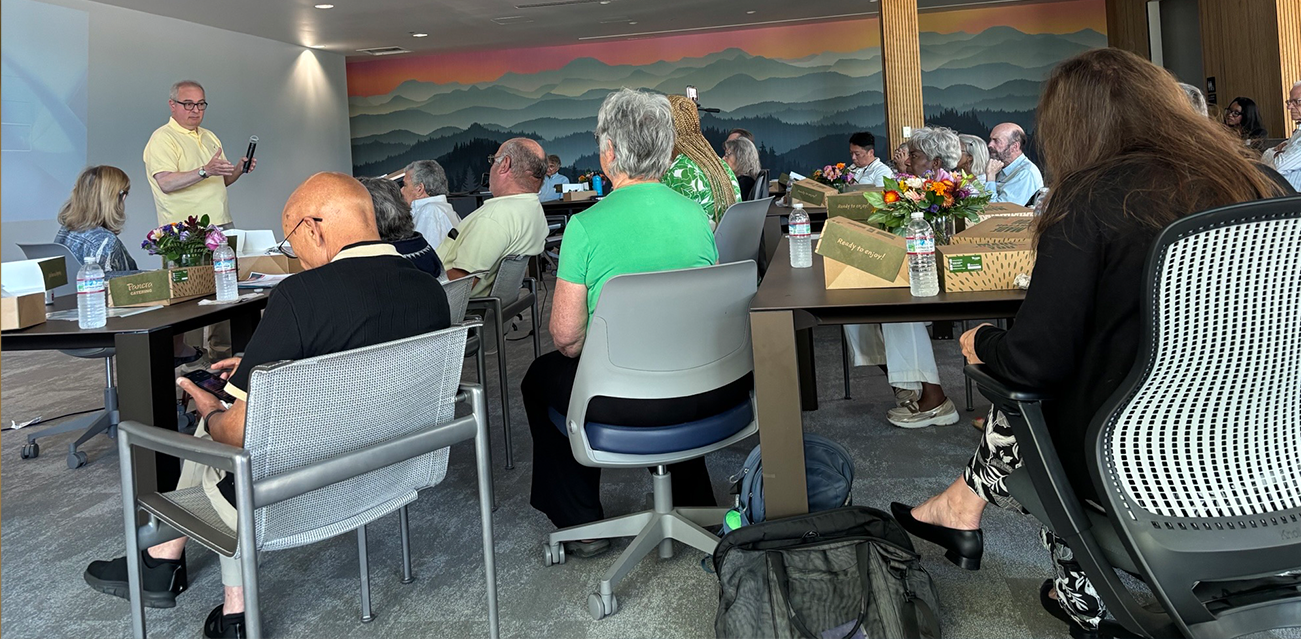 Amyloidosis patients and community members attend the NorCal Amyloidosis Support Group meeting at Stanford University.
A diagnosis of amyloidosis rarely arrives quietly. It brings with it a number of appointments, decisions, and emotions — often before there’s even time to process what’s happening. In those moments, medical care alone isn’t enough. What makes the biggest difference is often something less clinical: emotional support. From family and friends to professional counselors to fellow patients, the people around you can shape how you cope with this disease.
The diagnosis can bring bouts of grief, fear, anger, or numbness, sometimes all on the same day. Rest assured, these feelings are a normal response to a challenging situation, but they can be hard to deal with alone. Having people to talk to, who listen without rushing to fix things, can help you better manage stress and feel more in control. Support shouldn’t be separated from care; it should be part of it.
Having a chronic illness can feel isolating, but it doesn’t have to. Whether that means joining a support group, reaching out to talk with a fellow patient who understands, or simply telling a friend “Today is hard,” connecting with others is a positive way to help move through the diagnosis and treatment experience.
One way to seek support is to attend a group meeting, whether for education purposes or for emotional support. Dena Heath, a member of ARC’s Board of Directors, hosts regular meetings through the Northern California Amyloidosis Support Groups which include the Greater Sacramento Area group facilitated by Mary Polo. Dena, along with facilitators from other area support groups, recently partnered with the Stanford University Amyloidosis Center to bridge the gap between science and stories.
Inside the Stanford Research Lab
For many patients and caregivers, medical research can feel distant; hidden behind lab doors, captured in complex journal articles, or viewed only through microscopes. A recent gathering in California helped bring that scientific world into clear focus.
The Bay Area, Sacramento, and the Central Valley came together for their first joint meeting. The day featured an exclusive look inside the research process, access to leading medical experts, and a welcoming space to share personal journeys.
The day began at Stanford University, where Dr. Kevin Alexander and Dr. Hiroki Kitakata welcomed the combined support groups. Researchers Isiah Jimenez and Srijan Meesala led guided lab tours, offering members an inside look at how scientists study the fundamental mechanisms of transthyretin (ATTR) amyloid formation and deposition.
The interactive presentations demonstrated how basic scientific discovery translates into future clinical treatments. Even without a background in medicine, attendees gained a meaningful understanding of how researchers ask questions, test hypotheses, and build knowledge step by step. More importantly, the tour established a vital two-way connection: while patients and caregivers learned about science, researchers gained invaluable insight into the real-world experiences of those living with the disease.
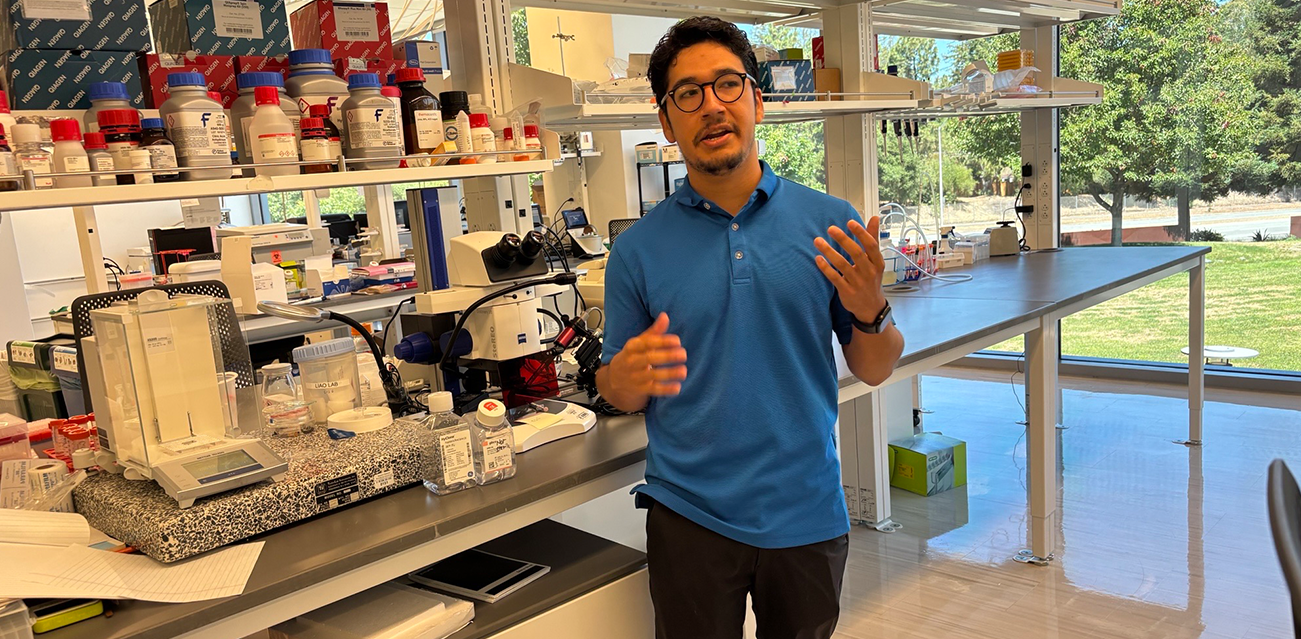 A presentation during a guided laboratory tour at Stanford University.
Connecting Research to Care
Following the laboratory tour, the group gathered for a dedicated support group session alongside Stanford’s multi-disciplinary medical team.
In-person events like this are essential for rare disease communities. They reduce isolation, foster shared learning, and remind members that they are supported by a vast group of advocates, clinicians, researchers, and industry partners.
The afternoon featured presentations and interactive Q&A sessions with leading experts:
Dr. Hiroki Kitakata (Postdoctoral Researcher, Alexander Lab) presented “Listening to Patients’ Stories Matters.” He emphasized why clinical progress relies on hearing patient perspectives and shared how international research collaborations enrich our understanding of amyloidosis.
Dr. Safwan Jaradeh (Neurologist, Stanford Amyloidosis Center) dedicated an hour to answering complex patient questions regarding autonomic and neuromuscular involvement. He addressed tricky symptoms affecting sensation, movement, blood pressure, and digestion-providing clarity on issues that are often confusing or easily overlooked.
Dr. Kevin Alexander and his team fielded broad questions, connecting laboratory science directly to everyday diagnosis, care management, and disease understanding.
Looking Ahead
Throughout the day, one message resonated above all: medical education is most impactful when it is personal, practical, and grounded in lived experience. When patients and caregivers are active partners in the conversation and research, together they transform an abstract concept into a unified effort toward better treatments and improved quality of life.
ARC offers a number of resources to help you navigate your amyloidosis diagnosis. We offer one-on-one peer support through our PEER Link Program, emotional support from a trained professional, and information on virtual and in-person support groups across the country.
If you are interested in starting a support group, reach out to ARC for support, training, and resources. If you or someone you love has been affected by amyloidosis, call us at (617) 467-5170 or email support@arci.org.
Speaker Recordings
Videos of the event presenters were recorded and will be available soon in several locations including the NorCal Amyloidosis Support Group page, as well as their support group page on the Stanford Amyloidosis website.
- Categories