From Scientific Challenges to Action: Highlights from the 2026 Amyloidosis Forum
Global experts gathered to address the scientific challenges shaping the next generation of amyloidosis treatments.
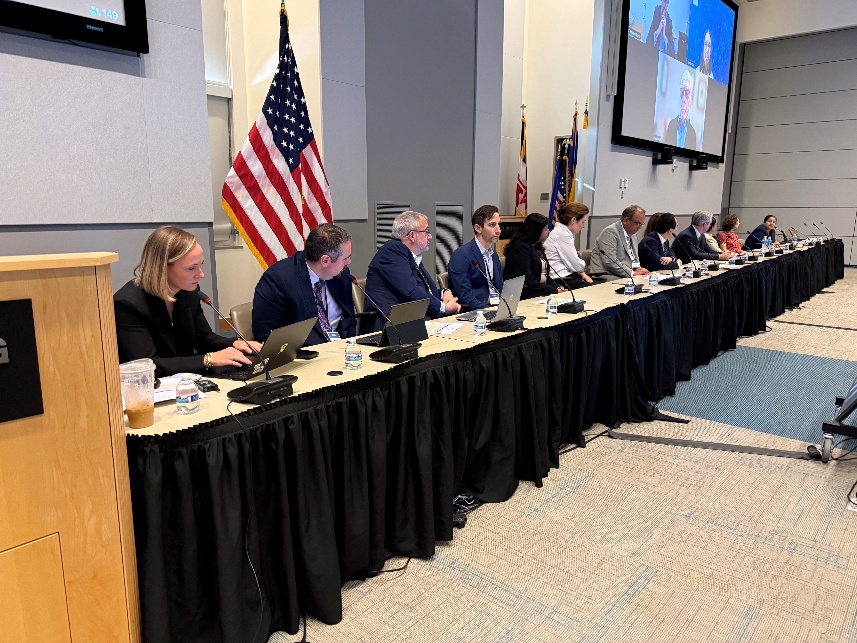
On September 30, 2026, the Amyloidosis Research Consortium (ARC) convened its annual Amyloidosis Forum at the U.S. Food and Drug Administration (FDA) campus in Silver Spring, Maryland. The meeting brought together 353 participants from 25 countries, including patients, clinicians, researchers, regulators, and biotechnology and pharmaceutical industry leaders.
Established in 2019 as a public-private partnership between ARC and the FDA, the Amyloidosis Forum is one of ARC’s cornerstone research programs. It brings the community together to identify barriers to drug development and generate the scientific evidence needed to overcome them.
This year’s meeting examined how advances in AL and ATTR amyloidosis treatment are changing the questions researchers must answer and how clinical trials can continue delivering meaningful progress for patients.
Patients at the Center
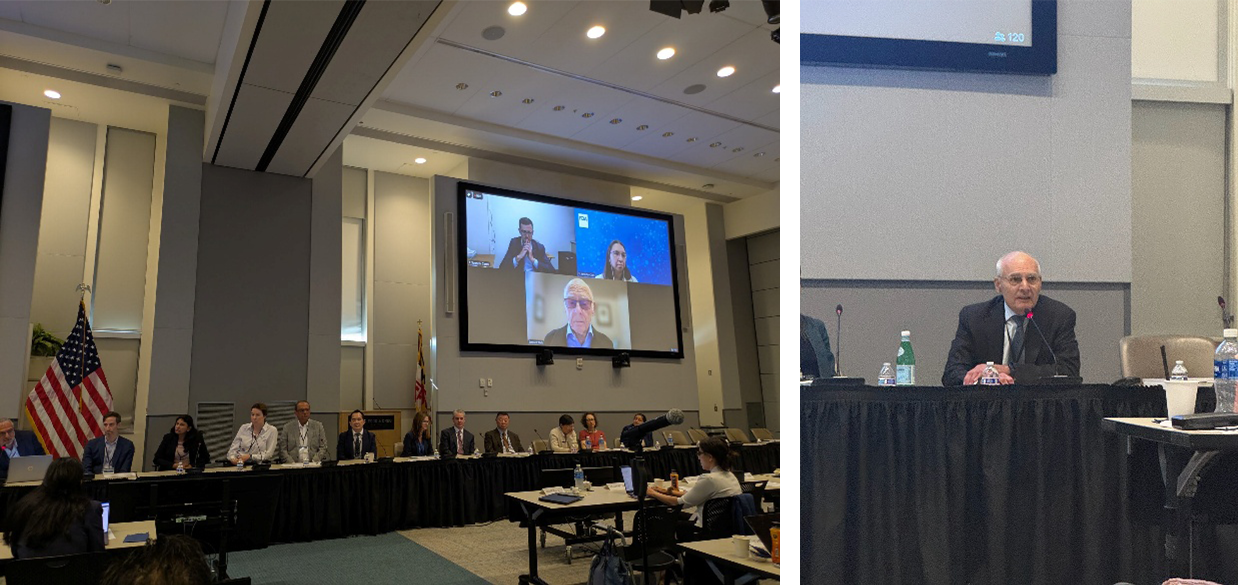
Among the day’s most memorable contributions were the perspectives shared by Ed Walk, who lives with ATTR amyloidosis, and Richard “Rick” Ezekiah, who lives with AL amyloidosis.
Both spoke candidly about living with amyloidosis, their experiences with treatment, and what meaningful improvement looks like to them.
Their remarks brought in to focus the scientific discussions that followed. Being able to walk without worrying about the next hill, carry groceries, or maintain independence can matter as much to patients as changes in laboratory values or clinical test results.
ARC is deeply grateful to Ed and Rick for sharing their experiences and giving voice to patients who could not be present. Their contributions reminded everyone why this work matters.
Advancing Drug Development in a Changing Treatment Landscape
Four scientific sessions explored challenges and opportunities across amyloidosis research.
ATTR Amyloidosis: Designing the Next Generation of Clinical Trials
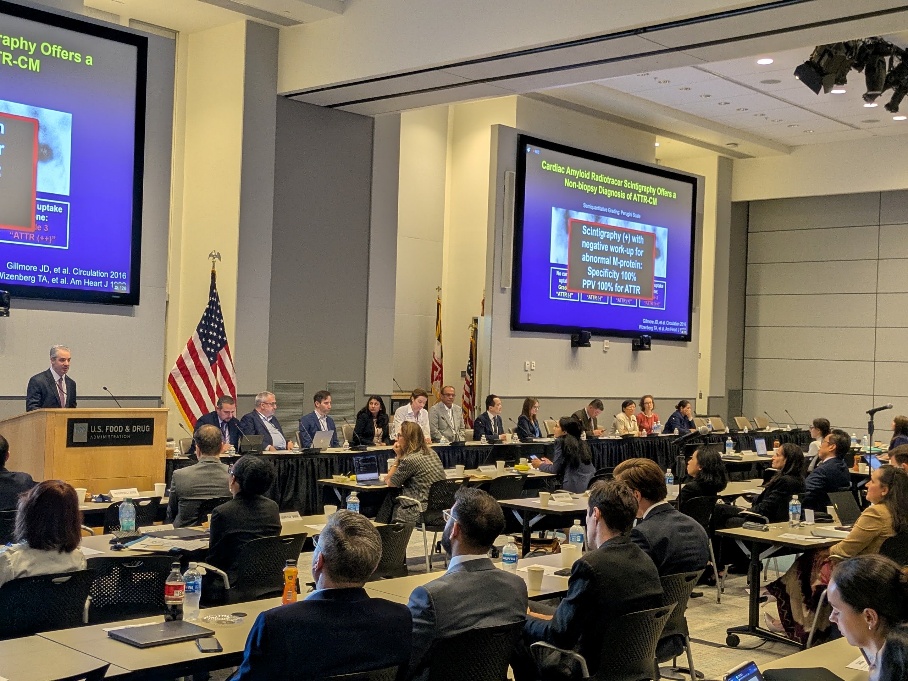
Dr. Justin Grodin reviewed advances in ATTR diagnosis and treatment, followed by a discussion moderated by Drs. Mat Maurer and Ahmad Masri.
Effective therapies are helping patients live longer and slowing disease progression. Yet these advances also complicate clinical trials. When patients are already receiving treatment and experiencing fewer serious complications, demonstrating the added benefit of a new therapy becomes more difficult.
Participants explored alternative trial designs and ways to measure treatment benefits beyond survival and hospitalization, including physical function, symptoms, and quality of life.
A central question emerged: As treatments improve outcomes and extend survival, how can we design the next generation of clinical trials to demonstrate meaningful additional benefits for patients?
Imaging: Moving Beyond Diagnosis to Better Treatment Decisions
Dr. Sharmila Dorbala explored advances in medical imaging, from ultrasound and magnetic resonance imaging (MRI) to advanced nuclear scans, that may allow researchers to detect amyloid earlier, measure the impact of disease on daily life and monitor changes over time. Dr. Steven Rowe shared lessons from oncology, where imaging has transformed how treatments are developed and evaluated.
Discussion focused on whether imaging could help identify patients most likely to benefit from treatment and demonstrate whether therapies are reducing amyloid deposits or slowing progression.
While promising, these approaches require stronger evidence that improvements seen on imaging scans are linked to patients feeling or functioning better, or living longer. Participants identified opportunities to collect imaging results alongside measures of patients’ health and wellbeing in ongoing studies to help establish that evidence.
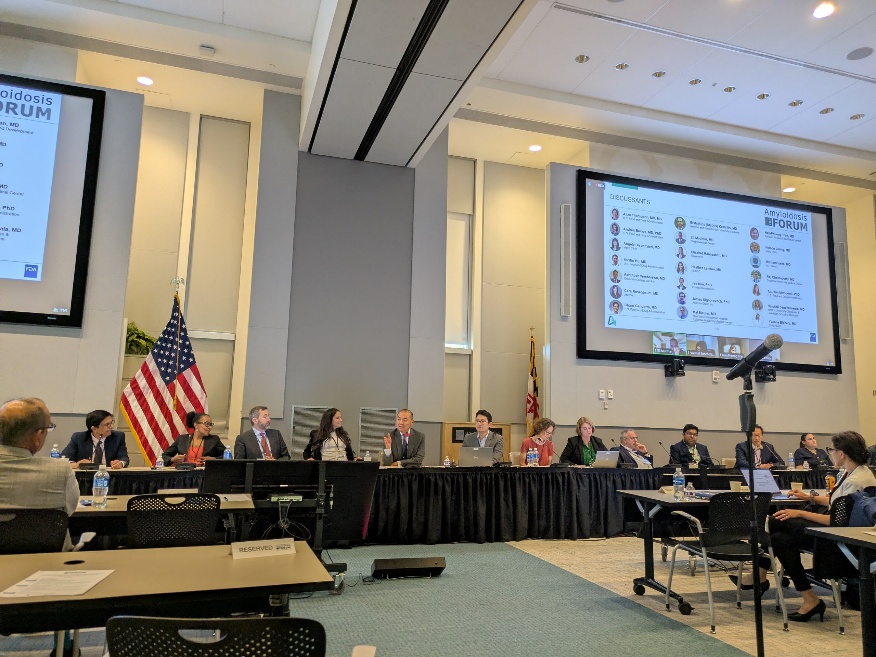
AL Amyloidosis: Rethinking How Treatment Success Is Measured
Dr. Vaishali Sanchorawala reviewed advances in AL amyloidosis treatment and their implications for clinical trial design. As therapies improve, traditional definitions of treatment response and disease progression may no longer adequately capture changes in the disease.
Updates from the Forum’s working groups from Drs. Angela Dispenzieri, Eli Muchtar, and James Signorovitch highlighted ongoing efforts to refine hematologic and kidney response criteria and evaluate NT-proBNP, a marker of cardiac stress, as a potential surrogate endpoint. Surrogate endpoints are measures that could help researchers predict whether a treatment is improving how patients feel or function without waiting years for differences in survival or major complications to emerge.
The ensuing discussion revealed significant challenges for future drug development. With multiple investigational therapies advancing into trials for newly diagnosed patients, participants raised concerns that studies may end up competing for the same relatively small group of people, potentially slowing recruitment and delaying answers. For patients with relapsed or refractory disease, there is no well-established standard treatment making it difficult to decide what new therapies should be compared against in clinical trials.
Attendees explored alternative trial designs, opportunities to share control arm data, and the need for greater collaboration to make clinical research more efficient without compromising scientific rigor.
The discussion reinforced the importance of developing practical solutions that enable promising therapies to advance while ensuring clinical trials generate the evidence needed to support regulatory approval.
Clinical Meaningfulness: Measuring What Matters to Patients
The final session addressed a question central to drug development: How do we measure treatment benefit in a way that reflects meaningful improvements in how patients feel or function?
Dr. Michelle Carty and FDA experts discussed how researchers evaluate whether changes in symptoms, physical function, or patient-reported outcomes represent meaningful improvements.
A statistically significant change does not necessarily translate into a difference patients experience in daily life. Participants examined how to better measure benefits such as maintaining independence, preserving physical abilities, reducing symptoms, and slowing functional decline.
The discussion reinforced the importance of combining rigorous scientific methods with patients’ perspectives when determining how treatment success should be measured.
Turning Scientific Discussion Into Evidence
Across all four sessions, one point was clear: many challenges facing amyloidosis drug development are too complex for any organization to solve alone.
Identifying barriers is only the beginning. Progress requires the data, expertise, and collaborative research needed to address them.
This is what distinguishes the Amyloidosis Forum.
More than 90 experts contribute to Forum working groups and subcommittees throughout the year, advancing research projects, scientific publications, and new approaches to evaluating treatments.
A central part of this work is responsible clinical trial data sharing. Combining existing datasets allows researchers to investigate questions that individual studies may not be able to answer.
It also extends the value of patients’ participation in clinical research. By learning more from data already collected, we can honor their contributions and potentially accelerate progress for future patients.
The Forum’s ongoing work on biomarkers such as NT-proBNP is one example of this approach. Researchers are studying whether changes in NT-proBNP can serve as an early indicator that a treatment is improving patients’ health, helping speed the development of new therapies. Similar opportunities are emerging across clinical endpoints, imaging, and trial design.
Looking Ahead
The September meeting identified important questions and opportunities for further research. ARC and the Forum’s Executive Steering Committee will use these discussions to prioritize work where collaboration can make the greatest difference.
Potential areas of focus include:
- Clinical trial design: Developing approaches suited to a changing treatment landscape.
- Clinical endpoints: Building evidence to support use of biomarkers, imaging measures, and other measures of treatment benefit in clinical trials and clinical practice.
- Patient-centered outcomes: Better defining and measuring improvements in the way patients feel or function.
- Collaborative research: Using existing clinical trial data to generate data-driven evidence that inform future drug development.
Advancing these efforts will require continued collaboration and investment in the scientific expertise, data analysis, and infrastructure needed to deliver credible evidence.
The Amyloidosis Forum is more than an annual meeting. It is a year-round effort to translate shared scientific challenges into research that can improve how treatments are developed and evaluated.
A Shared Commitment to Progress
The progress achieved in amyloidosis over the past decade shows what collaboration can accomplish. Yet many patients continue to experience debilitating symptoms, disease progression, and limited treatment options.
Sustaining this progress also means investing in the next generation of experts. This year, ARC welcomed its Fellows and Early Career Cohort to the Forum, providing opportunities to engage with leaders in the field and encouraging continued involvement in amyloidosis research.
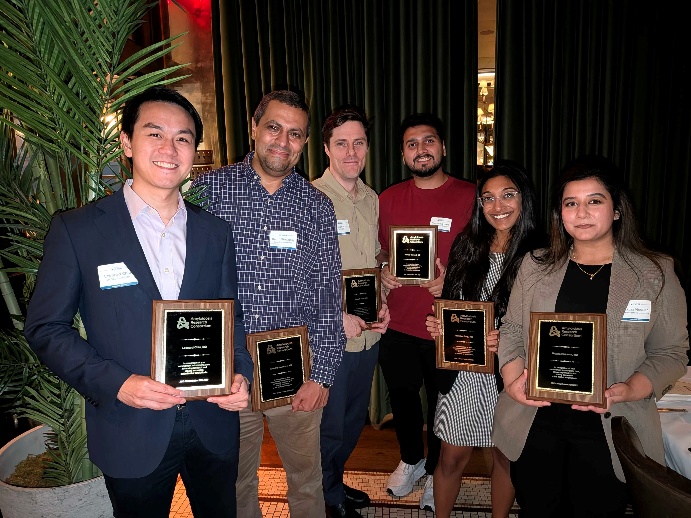
ARC extends its sincere thanks to the FDA for hosting the meeting and to our speakers, moderators, panelists, Steering Committee and working group members, and everyone who contributed their expertise and perspectives. We are especially grateful to the patients who shared their experiences and to our industry sponsors for their continued support.
Through the Amyloidosis Forum, ARC remains committed to bringing the community together, identifying the evidence needed to advance drug development, and turning scientific challenges into collaborative action. Ultimately, our goal is to help bring forward treatments that allow people with amyloidosis to live longer and live better.
Watch the 2026 Amyloidosis Forum
Missed the meeting or want to revisit the discussions?
Watch the meeting recordings and explore the 2026 Amyloidosis Forum
Learn more about the Amyloidosis Forum and its ongoing research
- Categories